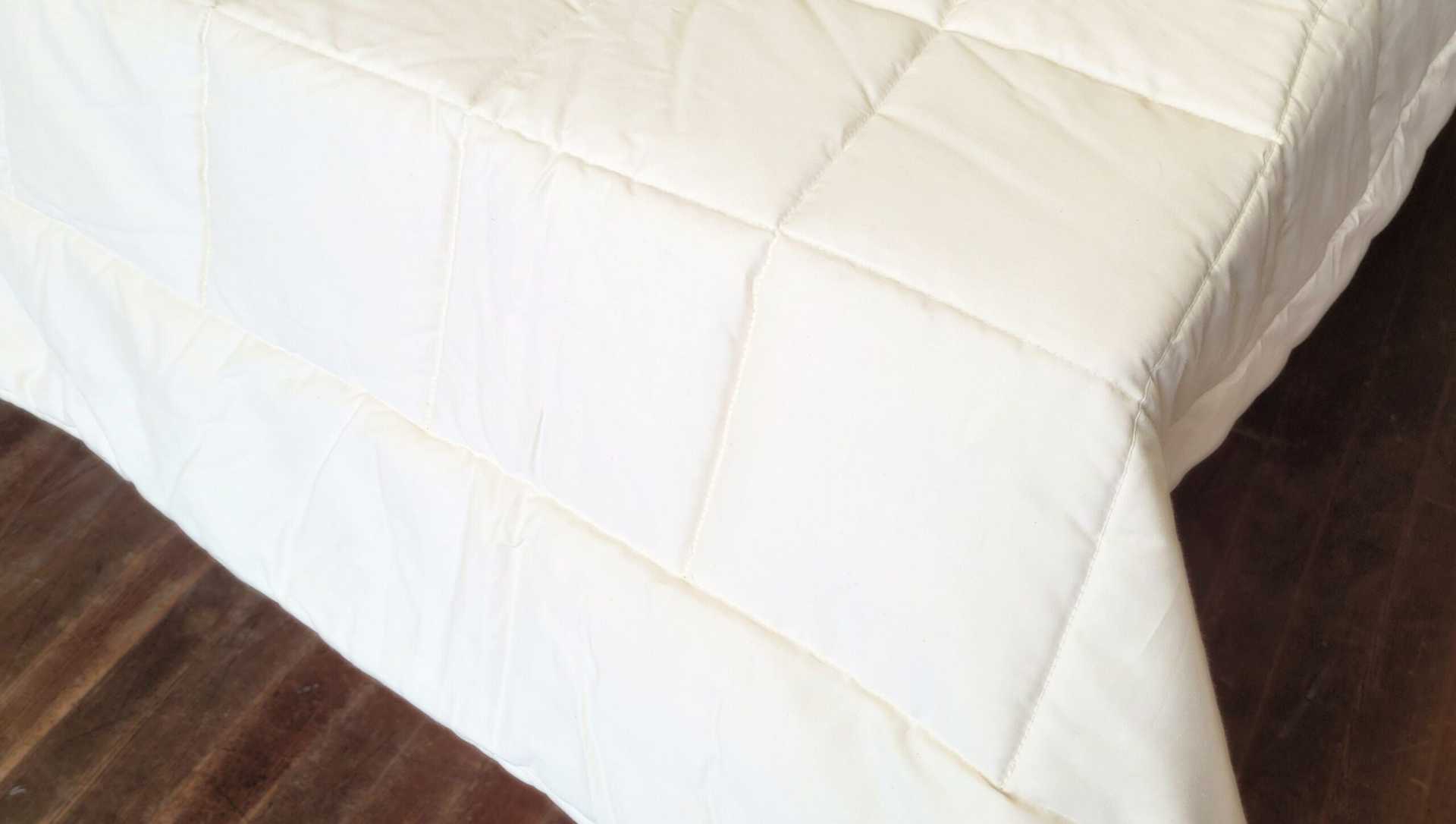
Comforters are essential bedding items that provide warmth and insulation while maintaining a lightweight, breathable profile for year‑round comfort. In organic, natural fiber options, such as wool, you can expect temperature regulation that helps prevent overheating. This category highlights key features like fill material, thread count, and cover fabrics to inform sustainable sleep choices.
Organic wool comforters offer natural breathability, moisture management, and temperature neutrality, making them suitable for diverse sleeping preferences. They typically resist dust mites and are free from synthetic químicos, supporting a healthier bedroom environment. Understanding fill weight, loft, and tightening options helps evaluate suitability for different climates and sleepers.
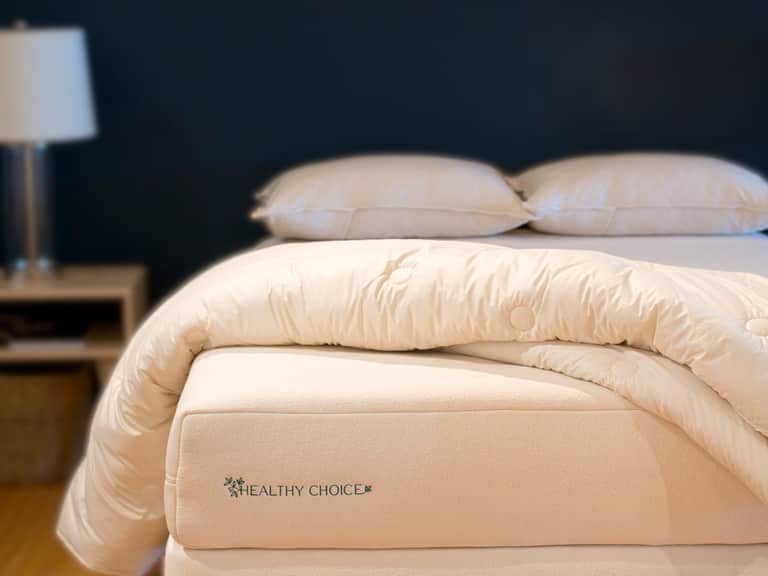
The Healthy Choice Lightweight Organic Wool Comforter exemplifies how wool fibers balance warmth with a low profile. Lightweight design supports layering for fluctuating temperatures, while wool’s elasticity helps maintain loft. Benefits include durable insulation, chemical‑free construction, and comfort without heaviness, ideal for active adults and sensitive sleepers.
Key features to consider when evaluating comforters include fill material (organic wool), cover fabric (cotton or other natural blends), quilting pattern for even warmth distribution, and care guidance that preserves loft. Wool comforters often require specific laundering approaches, such as gentle washing and air drying, to sustain fiber integrity and longevity.
In choosing a comforter, users should assess climate, bedding layering, and allergy considerations. Natural wool provides resilience, odor resistance, and thermal efficiency, aligning with sustainable living goals. This overview emphasizes practical uses, maintenance needs, and how to match a comforter’s warmth level with bedroom routines and seasonal changes.
 Bedding