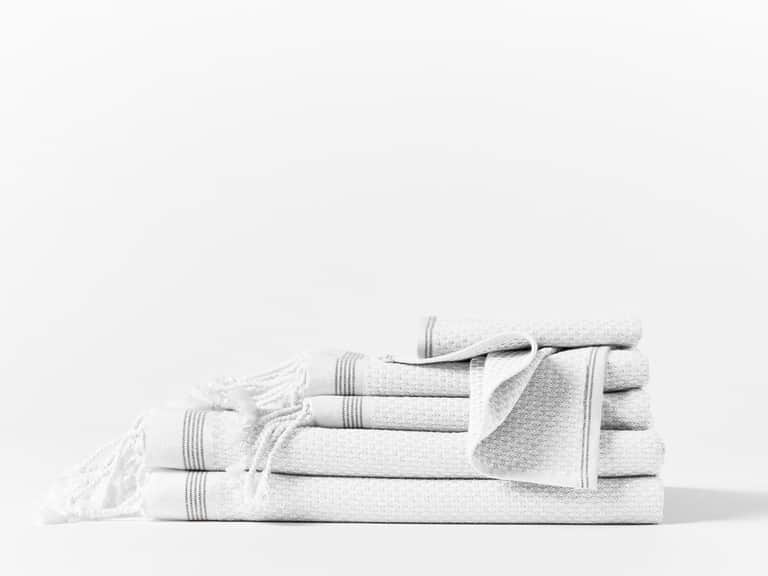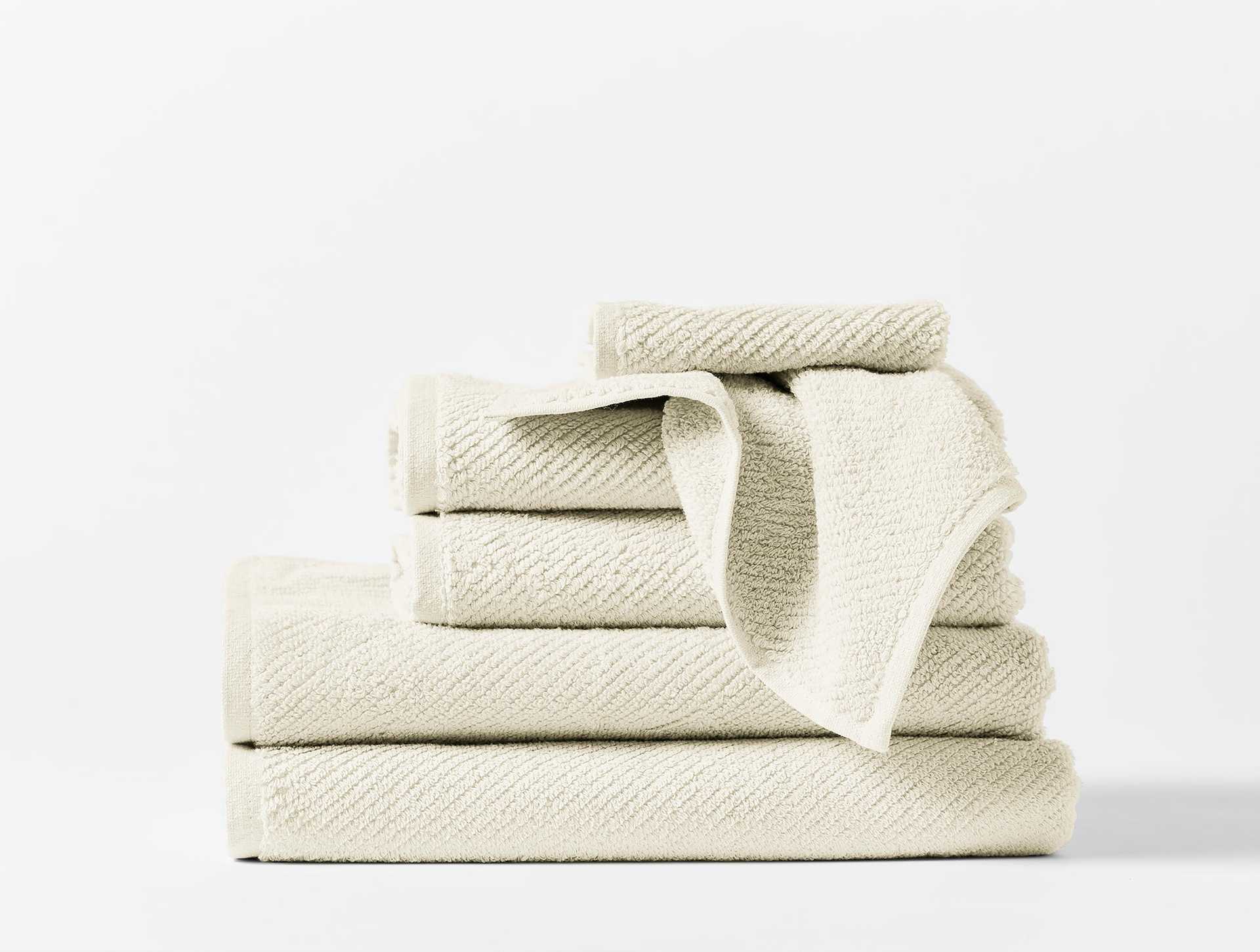
Air Weight® Organic Towels
Experience plush, fast-absorbing towels you can feel good about—soft, durable organic cotton with quick-dry twill, all in a cared-for, certification-backed 6-piece set.
A couture portrait of comfort, science, and sustainability in sleep. From organic cotton shells to plant-based fillings and wool blends, this guide decodes the materials that shape our most intimate sanctuary. Brought to you with the poise of Vogue and the rigor of a consumer-first handbook, we explore certifications, brand approaches, and practical advice for choosing a mattress that honors both health and style.
In the realm of organic mattresses, three families dominate the conversation: organic cotton covers, plant-based foams and fillings (notably PLA), and natural wool blends. Each material brings a distinct balance of warmth, breathability, durability, and eco-sense. Our aim is not merely to list features, but to illuminate how these components perform in real life—across climates, sleep styles, and long-term wear.
Cotton: In an organic mattress, cotton is rarely the sole support system. More often it forms the outer shell or core layers, prized for breathability and a soft hand. When sourced from farms with organic cultivation, GOTS-certification ensures no toxic pesticides enter the fiber path. The duvet-like feel of a cotton shell can influence heat dissipation, particularly in warmer months or climates.
PLA: A plant-based alternative to conventional foams, PLA fibers can deliver resilience without petroleum-derived components. They wick moisture and maintain a supportive structure while often reducing off-gassing concerns. PLA is compatible with layered designs, pairing well with natural fibers to provide a balanced, non-toxic sleep surface.
Wool: Wool’s natural crimp and loft act as a dynamic regulator—cooling when warm, insulating when cool. In mattresses and pillow toppers, wool fillings can promote air flow and moisture management, enhancing long-term comfort and reducing the need for temperature-compensating sheets or toppers.
GOTS ensures organic fiber integrity and safe processing. GOLS (Global Organic Latex Standard) validates organic latex products. Look for certifications that cover the full supply chain, not just the final product.
Additional credentials like Made Safe or Fair Trade add layers of ethical assurance, from materials to manufacturing practices.
Tip: Certifications safeguard against greenwashing and offer a clearer path to trusted sleep investments.
Two brands frequently cited in organic sleep discussions are Naturepedic and Obasan. Naturepedic emphasizes a toxin-free approach with a range of organic cotton covers and plant-based or bio-based fills. Obasan explores a spectrum of wool and latex cores, blending performance with pure material sourcing. Both underline safety and transparency, yet their design philosophies diverge—Naturepedic often focusing on a broad, modular build, while Obasan leans into handcrafted wool and latex ecosystems.
Practical tip: When evaluating warranties, read the fine print regarding coverage of material degradation, off-gassing, and coverage for sleep-surface changes over time. A thorough warranty can be as telling as the materials themselves.
Organic mattresses are often designed for longevity, but care routines matter. PLA fillings generally benefit from a cool, dry environment; wool fillings appreciate occasional airing to refresh loft; cotton shells suit regular laundering as per manufacturer guidance. Adopting seasonally appropriate bedding not only supports comfort but also preserves the integrity of the mattress materials over time.
Caring for your sleep surface is as essential as choosing it. The right care enhances durability, reduces allergen buildup, and sustains the premium feel that defines organic sleep wellness.
To enrich our understanding of organic sleep culture, consider three influential voices from distinct eras who shaped our conversation about materials, health, and sustainability.
In today’s discussion of organic mattresses, three archetypal profiles provide a useful frame for decision-making:
When assessing an organic mattress, anchor your choices around comfort, safety, and longevity. Start with the shell: an organic cotton cover is a durable, breathable surface that can influence heat management. Move inward to the core: PLA fillings offer a clean, plant-based alternative with strong support characteristics, while wool blends bring temperature regulation and resilience. Finally, consider the warranty and care requirements; these reflect the brand’s confidence in its materials and the expected lifespan of the product.
In practice, a buyer can balance warmth and breathability by mixing PLA layers with wool toppers or cotton-based cores, tailoring the feel to climate and sleep style. Always verify GOTS and GOLS certifications, and check whether a brand discloses the precise origin of fibers and the processing steps involved.
From the curated catalog, we spotlight two exemplary products that embody the organic ethos:
6-piece set; 100% organic cotton; GOTS, Fair Trade, Made Safe. Dense twill weave for fast absorption and quick drying.
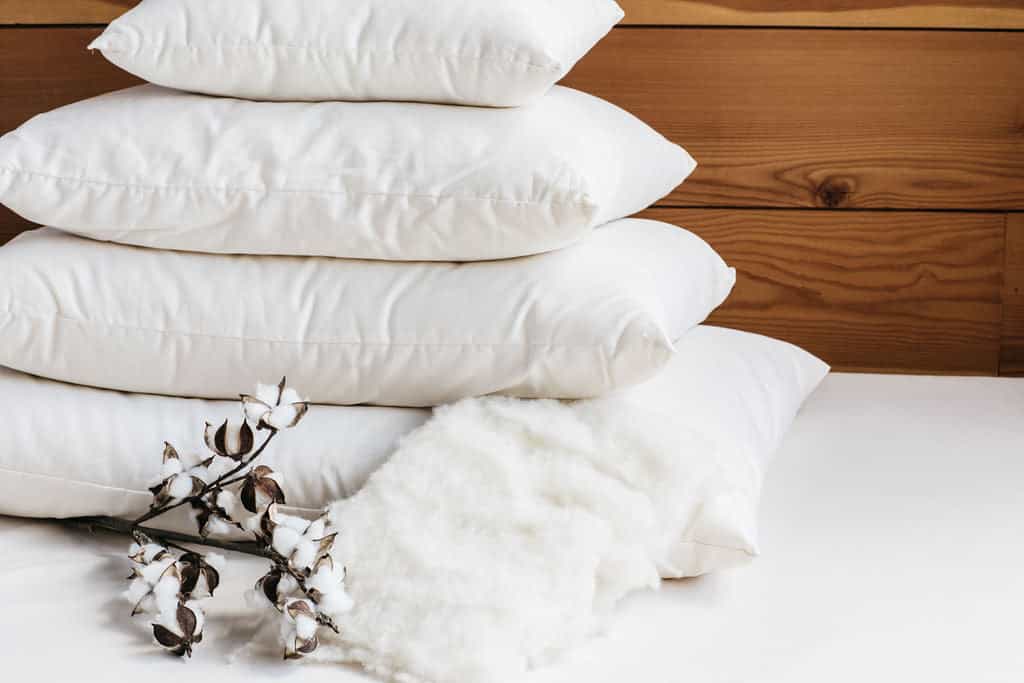
GOTS-certified wool filling in a 100% organic cotton sateen cover. Hand-built comfort, full range of sizes, ideal for neck support.
Note: Availability and exact models may vary by retailer and season. Always confirm current certifications and care guidelines before purchase.
The modern organic mattress is a confluence of science, ethics, and refined living. It is not merely a sleep surface but a statement of responsibility—toward our bodies, our homes, and our planet. By understanding the material pallet—organic cotton, PLA, and wool—and by navigating certifications with the poise of a seasoned Vogue editor, readers can curate a sleep sanctuary that feels luxurious, timeless, and wise.
In the spirit of The Organic Lady, the path to a healthier night’s rest is paved with curiosity, rigor, and beauty. The right mattress is more than comfort; it’s a daily affirmation that wellness can be cultivated with elegance and practicality.
This feature embraces a refined tone and editorial structure, inviting readers to experience the texture of organic sleep through descriptive language, curated product examples, and expert-like clarity. The inclusion of real product examples, such as Air Weight Towels and a Certified Organic Wool Pillow, demonstrates how curated, certifiably organic items can illuminate lifestyle choices without sacrificing style or narrative depth.
As with any high-end lifestyle discourse, the goal is to blend aspirational appeal with practical wisdom—helping readers select materials that support health, comfort, and a sustainable future.
This guide aims to empower discerning shoppers to choose organic mattress materials with confidence and grace.
Images and product visuals are for illustrative purposes and may vary by retailer. The above product copy reflects typical feature sets from representative brands.