Crib mattresses are essential for infant sleep safety and comfort, providing a supportive surface that supports healthy spine alignment during early development. A high-quality crib mattress combines firm construction with breathable materials to reduce heat retention and promote air circulation. Understanding the key features helps caregivers select a mattress that aligns with safety guidelines and personal preferences for nursery comfort.
When evaluating crib mattresses, consider core materials, firmness, and seam integrity. Organic models often use natural, low-emission fabrics and latex or coconut coir cores that resist mold and allergens. A durable cover that is water-resistant and easy to clean contributes to a hygienic sleep environment, while remaining gentle against tender skin.
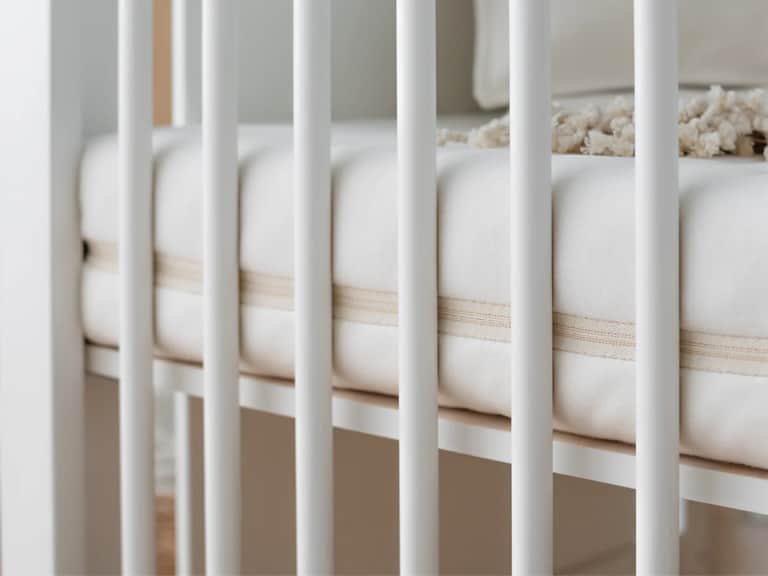
The Obasan Organic Crib Mattress exemplifies an organic option designed for infants who require a firm, supportive surface. Its materials prioritize breathability, reducing heat buildup, and the core provides consistent support without sagging. Functional benefits include improved edge firmness, which helps maintain safe sleeping boundaries for newborns and growing infants.
Beyond core construction, compatibility with standard crib frames and ease of maintenance are important considerations. Water-resistant or wipe-clean surfaces simplify routine care, while a compact, well-fitting design minimizes gaps between mattress and crib sides. Recognizing these attributes supports long-term usability and reduces risk factors associated with sleep environments.
In the broader context of nursery bedding, selecting a crib mattress that works alongside other essentials—such as breathable sheets, hypoallergenic pillow alternatives, and safe comforters—contributes to a balanced sleep ecology. Keywords like bedding, latex, nursery, and comforters reflect related components that influence overall comfort, safety, and routine care in early infancy.
 Nursery